Suicide Prevention 2: Workforce Development
Suicide Prevention 2: Workforce Development
This course equips health professionals* in New Zealand with the skills to support Asian* patients at risk of suicide. It explores cultural and social influences on mental well-being, including stigma, family expectations, and barriers to seeking help.
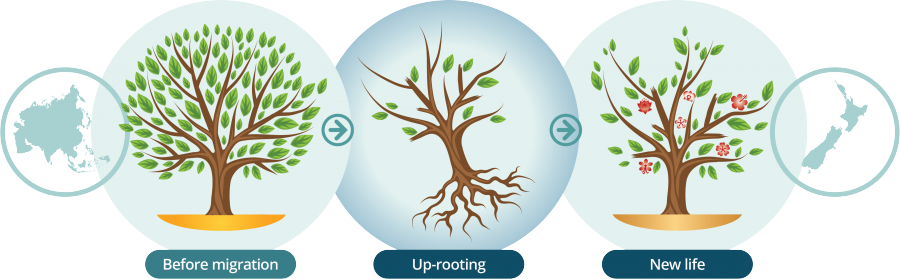
Participants will develop self-awareness of cultural biases, learn to identify suicide risk factors, and apply culturally responsive communication and intervention strategies including the Integrated Tree Model Framework (Asian Family Services, 2025). By the end, they will be better prepared to provide effective, culturally competent care within Asian communities.
- Who the course is for
- Health professionals in New Zealand
- Duration
- 2 Hours
Course overview
This course is organised into three main units, with an introduction and conclusion. Each unit builds practical knowledge and culturally responsive skills to support effective suicide prevention and mental health care for Asian populations within Aotearoa’s healthcare context.
Learning outcomes
By the end of this course, you will be able to:
- Reflect on and identify your own cultural biases and their impact on communication and patient interactions with Asian individuals.
- Explain the reasons for and benefits of culturally responsive communication in healthcare.
- Recognize warning signs and protective factors of suicide within Asian communities.
- Develop practical strategies to strengthen cultural competency and engage effectively with Asian patients, including identifying hidden factors that may affect treatment.
- Apply techniques to build rapport and communicate in a culturally appropriate and effective way.
- Implement culturally responsive strategies to support individuals in emotional distress or at risk of suicide.
Pre-requisites
While there are no prerequisites for this course, we do highly recommend these other training resources:
- National Suicide Prevention Training Life Keepers
- Mental Health training 101
- Addiction 101
- ECALD
- Skylight
Course outline
This course is organised into three main units, with an introductory and concluding section. Each lesson builds practical knowledge and skills to support culturally responsive, effective mental health care for Asian populations within Aotearoa’s healthcare context.
Introduction Unit
- 0.1
Course Welcome & Overview
Get oriented to the course structure, learning outcomes, and how to navigate each section effectively. - 0.2
Cultural Context & Case Study Profiles
Explore the diverse cultural contexts that shape mental health experiences in Asian communities, introduced through real-life inspired case profiles. - 0.3
Acknowledging Personal Biases
Reflect on your own cultural lens and how unconscious biases may influence your clinical interactions and decision-making.
Unit 1 | Understanding Cultural Influences on Mental Health
- 1.1
How Cultural Values and Stigma Influence Mental Health
Examine how cultural beliefs, norms, and stigma affect emotional expression and willingness to seek help. - 1.2
Structural Barriers in Mental Health Care
Identify systemic and institutional challenges that impact access to mental health services for Asian populations. - 1.3
Recognising Somatic Expressions of Distress
Understand how psychological distress may be communicated through physical symptoms, especially in culturally influenced presentations. - 1.4
Applying the Integrated Tree Model© to Culturally Responsive Care
Learn to apply a culturally grounded framework to assess well-being across layered aspects of a person's identity and experience.
Unit 2 | Effective Communication for Suicide Prevention
- 2.1
Building Trust and Rapport with Asian Patients
Develop techniques to build culturally respectful, trusting relationships with patients from diverse Asian backgrounds. - 2.2
The Importance of Non-Verbal Communication and Contextual Sensitivity
Explore how tone, body language, and unspoken cues play a crucial role in culturally attuned communication. - 2.3
Recognising Communication Challenges in Suicide Prevention
Learn to identify and navigate cultural hesitancy, indirect expressions, and language barriers during suicide risk conversations. - 2.4
Strategies to Navigate and Overcome Cultural Barriers
Gain practical tools to address cultural taboos and bridge communication gaps in sensitive clinical scenarios.
Unit 3 | Recognising and Responding to Suicidal Behaviours
- 3.1
Identifying Risk and Protective Factors in Asian Communities
Recognise culturally specific factors that increase vulnerability or enhance resilience in individuals at risk. - 3.2
Recognising Subtle Warning Signs
Sharpen your skills in detecting culturally nuanced or non-verbal indicators of suicidal distress. - 3.3
Providing Culturally Sensitive Support During a Crisis
Respond to crises with approaches that balance empathy, safety, and cultural responsiveness. - 3.4
Balancing Clinical Response with Cultural Sensitivity
Learn how to uphold professional obligations while honouring cultural beliefs, family dynamics, and individual preferences. - 3.5
Crisis Intervention Simulation
Apply what you've learned in a simulated scenario that assesses your ability to respond sensitively and effectively.
Conclusion Unit
- 4.1
Recap of Key Learnings
Consolidate essential insights and practical takeaways from the course. - 4.2
Personal Growth & Next Steps
Reflect on how the course has shaped your perspective and identify ways to integrate what you’ve learned into your everyday practice. - 4.3
Self-care Toolkit
Access strategies and resources to care for your own well-being while supporting others in distress. - 4.4
Course Certificate & Additional Resources
Download your course completion certificate and access key takeaways, suggested next steps for professional development, and contacts for support services.