Understanding Gambling Harm Through the the Asian Lens
Understanding Gambling Harm Through the the Asian Lens
This course builds on Respond to Gambling Harm Foundation training and is designed to support the primary health workforce to respond to gambling harm within diverse Asian communities in culturally safe, respectful, and stigma-reducing ways.
You’ll explore how culture, migration, family dynamics, identity, and stigma can shape experiences of gambling harm and help-seeking behaviours across Asian communities in Aotearoa New Zealand. Through practical examples and culturally informed approaches, the course supports learners to build confidence in having safe conversations, reducing shame, fostering trust, and connecting individuals and whānau with appropriate support services.
- Who the course is for
- Health professionals in New Zealand
- Duration
- 1.5 hours
Learning outcomes
By the end of this course, you will be able to:
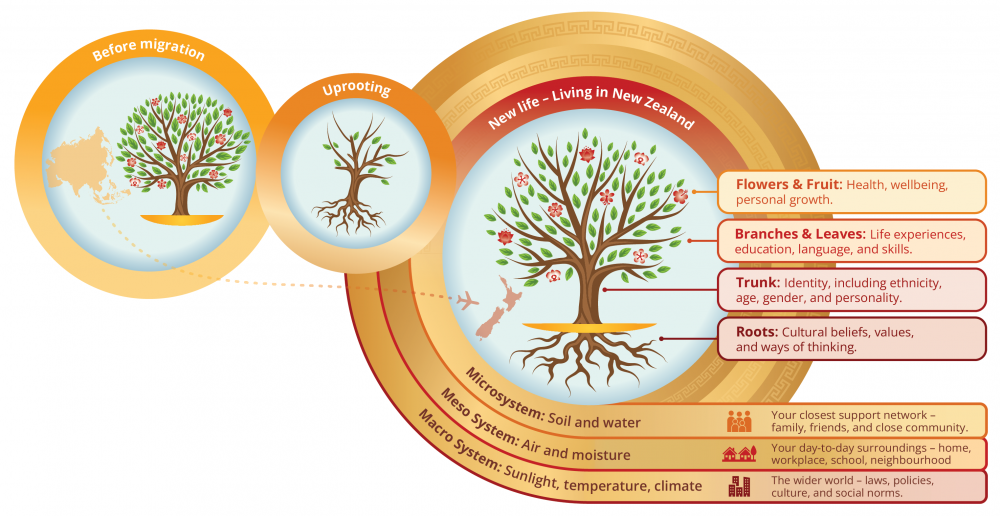
- Apply the Asian Integrated Tree Model to understand Asian clients’ gambling harm within their cultural, migration, family, and environmental context.
- Describe how stigma, shame, and concepts like “save face” and family honour shape gambling harm and help-seeking in Asian communities.
- Reflect on ways to apply culturally responsive and destigmatising practices in clinical work.
- Recognise both visible and hidden impacts of harmful gambling in Asian contexts, including financial, relational, emotional, and identity-related harms.
- Identify key barriers and enablers to early help-seeking for Asian peoples and outline appropriate, culturally safe referral and support pathways.
Pre-requisites
None
Course outline
This course is organised into five main units, with an introduction and a conclusion. Each unit builds practical skills and knowledge to help you understand gambling harm through the Asian lens.
Introduction unit
- 0.1
Get oriented to the course, understand the cultural context it is grounded in, and meet the case studies that will be revisited throughout your learning journey.
The Integrated Tree Model Framework in Clinical Practice
- 1.0
Learn how to use the Asian Integrated Tree Model Framework to understand gambling harm within cultural, migration, identity, and systemic contexts.
Unit 2: Stigma, Shame & Cultural Impact
- 2.0
Explore how stigma, shame, saving face, and family honour shape gambling harm and influence help-seeking within Asian communities.
Unit 3: Destigmatising Practice Through Language & Metaphor
- 3.0
Reflect on how language, metaphors, and culturally responsive practices can reduce stigma and support dignity and engagement in clinical support.
Unit 4: Identifying Visible and Hidden Harm
- 4.0
Develop your ability to recognise both visible and hidden gambling harms across financial, relational, emotional, and identity domains.
Unit 5: Barriers & Enablers to Help-Seeking
- 5.0
Identify common barriers to early help-seeking and learn practical, culturally safe ways to support engagement and referral.
Conclusion: Reflect, Integrate & Continue Learning
- 6.0
Consolidate your learning, revisit the case studies, and explore resources to support ongoing practice.